Raw Is the New Polished: How 'Authentic' Became the Internet's Most Lucrative Lie
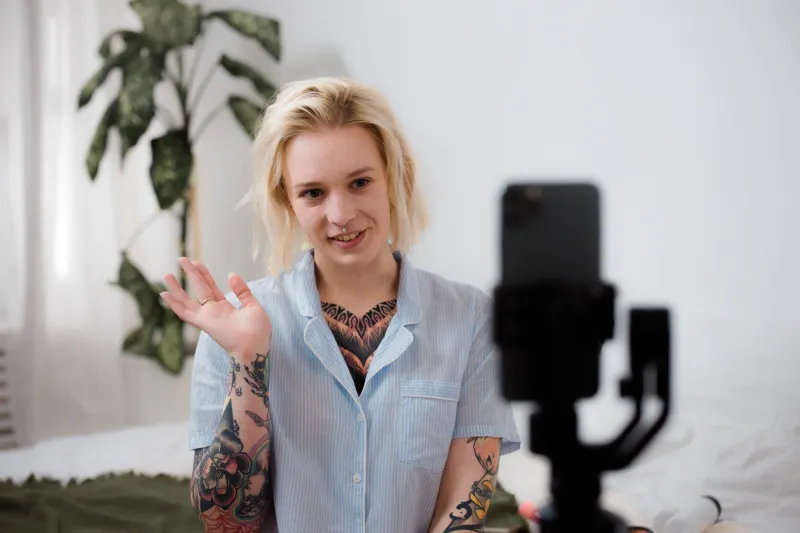
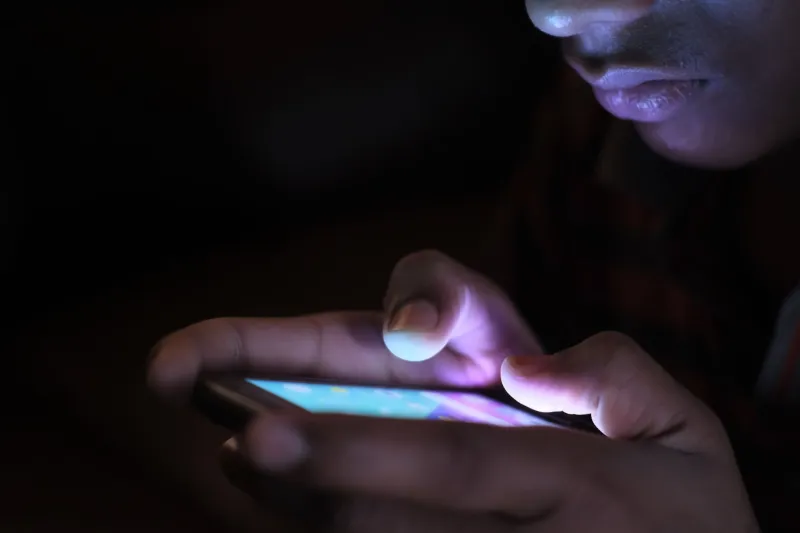
There's a specific kind of video you've seen a thousand times. The lighting is a little too dim. The creator is sitting in their car, or maybe on the floor of their bedroom. They're crying, or almost crying, or doing that thing where they exhale slowly like they've been carrying something heavy all week. They say something like, "I wasn't going to post this, but I feel like I owe you guys the truth."
And it performs. Every time. Without fail.
What we're watching isn't a breakdown. It's a genre.
The Architecture of 'Unfiltered'
Authenticity as a content strategy didn't emerge from nowhere. It was a direct reaction to the hyper-produced, aspirational content that dominated platforms like early Instagram — the perfectly plated açaí bowls, the resort vacations, the bodies that looked like they'd been CGI'd into existence. Audiences got tired of feeling bad about their lives, and creators who admitted their lives were also messy suddenly looked like a breath of fresh air.
The problem is that the moment something performs, it gets reverse-engineered. Vulnerability went from being a personal risk to being a format. And formats, by definition, are not spontaneous.
Today, the unfiltered confessional has its own unwritten production bible. The setting should feel incidental but never actually be messy enough to distract. The emotional arc needs a beginning, a low point, and a landing that's hopeful enough to avoid making the audience feel helpless. The caption should use phrases like "being honest with you" or "not sure if I should share this" — language that signals reluctance while actively sharing. The post goes up at peak engagement hours.
None of this is an accident. And none of it is particularly raw.
The Economics of Feeling Seen
Here's what makes the cult of authenticity so durable: it works because it's filling a genuine need. Americans are living through a loneliness epidemic that's been documented, discussed, and largely unresolved. People are hungry for connection that feels real, for content that acknowledges that life is sometimes a disaster, for creators who don't seem to exist on a different planet from their audience.
When a creator delivers that feeling — even a manufactured version of it — the audience response is intense. Comments flood in. People share the video because it "said exactly what I was feeling." Paid subscribers stick around because they feel like they know this person. And brands have figured out that a creator who commands that kind of trust is worth far more than one with twice the followers and half the emotional resonance.
The sponsored posts that perform best for "authentic" creators aren't the ones that feel like ads. They're the ones woven into a personal story — "I've been struggling with sleep lately, and then I tried..." The vulnerability is the delivery mechanism. The product is the payload.
This isn't cynical in some unique way — advertising has always exploited emotional connection. But the scale and intimacy of it in the creator space is genuinely new, and the audience rarely sees the seams.
New Rules, Same Cage
One of the arguments for the creator economy has always been that it dismantled the gatekeeping of traditional media. No network executives deciding who gets a platform. No publicists managing every word. Just a person and a camera and whatever they actually think.
But the authenticity trend has quietly rebuilt those gates and just moved them somewhere less visible.
Creators who are too raw — who are genuinely chaotic, who don't resolve their emotional arcs neatly, who share things that make audiences uncomfortable without offering reassurance — don't tend to build sustainable audiences. The ones who thrive have learned, consciously or not, to hit specific emotional beats in a specific order. Show the wound. Contextualize the wound. Demonstrate growth or at least the intent to grow. End on something that makes the viewer feel okay about logging off.
Deviate from the formula and the algorithm quietly stops showing your content to new people. Your existing audience drifts. Brands stop reaching out. The market corrects.
It's a different kind of gatekeeping, but it's gatekeeping. The unspoken rules are just as real as the ones that used to live inside a network boardroom. They're just distributed across millions of viewer thumbs-down decisions instead of a single executive's phone call.
The Creators Who Know Exactly What They're Doing
To be clear: not everyone operating in this space is being deceptive, and the line between performance and genuine expression isn't always clean.
Some creators are fully self-aware about the dynamic and talk about it openly — which is, somewhat inevitably, itself a form of authentic content that tends to perform well. There's a whole meta-layer of creators whose brand is deconstructing creator culture while also participating in it, and audiences love them for it.
Others are sharing things that are genuinely difficult and also happen to be packaged well, because they've spent years developing a communication style that resonates. Emotional intelligence and strategic storytelling aren't mutually exclusive. Real pain can still be edited.
And some are absolutely running a calculated operation dressed up in a hoodie and under-eye circles, and they're making very good money doing it.
The audience largely can't tell the difference — and in some ways, that's the point. The feeling of authenticity is what's being consumed. Whether the source material is genuine is almost secondary.
What Audiences Are Actually Owed
This is where it gets complicated, because the question of what creators owe their audiences is one the internet has never fully resolved.
If a creator builds a following on the promise of honesty and then monetizes that trust — through sponsorships, subscriptions, or merch — are they obligated to be as unfiltered as they appear? Or is the performance itself the product, and audience members who feel betrayed simply misread the terms of the relationship?
There's no clean answer. But the fact that the question is increasingly hard to avoid suggests that audiences are starting to develop a more sophisticated read on what they're watching. The comments sections on certain confessional videos have shifted. The skepticism is more present. People are asking, more often than they used to, whether the timing of a breakdown is a little too convenient.
That skepticism isn't cynicism. It's literacy.
Turned Out
The cult of authenticity isn't going away — if anything, it's going to intensify as AI-generated content makes anything that signals human imperfection more valuable by contrast. The shaky camera and the under-eye circles and the "I almost didn't post this" are going to do a lot of work in a world where audiences are desperate to know they're watching something real.
But real and performed realness are going to keep bleeding into each other, and the creators who thrive will be the ones who can navigate that blur — either by being genuinely transparent about the performance, or by being skilled enough that the performance never quite shows.
Either way, somebody's getting paid to cry in their car. And somewhere, a brand is very happy about it.