Cry Now, Cash Later: How Mental Health Breakdowns Became the Creator Economy's Hottest Content Format
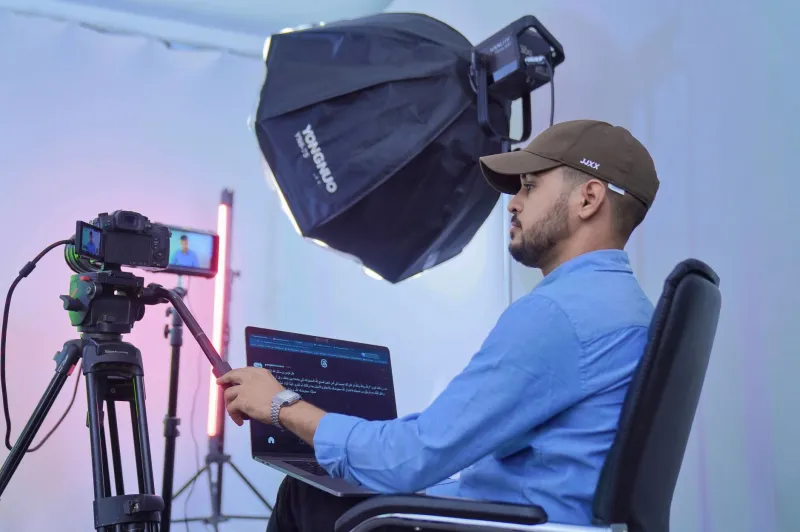
There's a specific kind of video you've seen a hundred times by now. Dim lighting. No makeup, or at least the convincing illusion of it. A creator, eyes puffy, voice cracking just enough, looking directly into the camera to tell you they're not okay. The comments flood in within minutes. I needed this. You're so brave. I feel so seen. The algorithm rewards it. The brand deal follows two weeks later.
Welcome to the burnout content cycle — where the breakdown is the pitch.
The Vulnerability Pipeline
To be clear: mental health struggles among creators are real. Genuinely, painfully real. The isolation, the financial instability, the relentless performance of a consistent "self" across multiple platforms while your actual self quietly comes apart — that's not manufactured. Ask any creator who's hit a wall and they'll tell you the wall is concrete.
But somewhere between "this is hard and I want to be honest about it" and "this is hard and it performs well," something shifted. Vulnerability stopped being a byproduct of authenticity and started being a content category with its own best practices. Post on a Tuesday. Keep it under eight minutes. Don't resolve the problem too quickly — the follow-up video needs something to work with.
What used to be a raw, unplanned moment of oversharing has been reverse-engineered into a formula. And once something becomes a formula, the question of whether it's genuine gets a lot more complicated.
Performing Pain for People Who Are Also in Pain
Here's the uncomfortable part: the audience for this content is often people who are themselves struggling. Burnout videos, "I almost quit" confessionals, anxiety spirals filmed in parked cars — these resonate because they're reflecting something real back at viewers who feel unseen everywhere else. The creator becomes a mirror. The relationship feels intimate in a way that parasocial dynamics usually only approximate.
But that intimacy has a price tag attached to it now. Creators have figured out that their most vulnerable moments are also their most monetizable ones. Merchandise drops after emotional reveals. Patreon tiers that promise "the full story." Sponsored mental health app integrations tucked into the back half of a video that opened with genuine tears. The line between sharing and selling has been so thoroughly blurred that both the creator and the audience have mostly stopped looking for it.
This isn't an accusation. It's a structural problem. When the only way to sustain a creative career is to keep feeding the platform, and the platform rewards emotional exposure above almost everything else, creators aren't choosing to exploit their pain — they're being funneled toward it.
What Recovery Looks Like When Cameras Are Rolling
The real tension surfaces when a creator actually tries to get better. Because genuine recovery — therapy, medication adjustments, rest, the boring unglamorous work of rebuilding a nervous system — doesn't make great content. It's slow. It's private. It doesn't have a narrative arc that fits into a series.
Creators who try to heal off-camera often find their audiences getting restless. Where'd they go? Are they okay? The silence reads as abandonment in a culture that has been trained to interpret posting frequency as proof of life. Some come back to find their numbers have dropped. Others return before they're ready because the financial pressure doesn't pause for mental health leaves.
And then there are the ones who learn, consciously or not, that the recovery arc is just another chapter in the content playbook. The "I'm doing better" video. The six-month update. The "here's what actually helped me" sponsored integration. The breakdown and the comeback become a loop, not a resolution.
The Authenticity Trap (Again)
This site has covered the authenticity problem before from a lot of angles, but the mental health content lane adds a layer that's worth sitting with. When a creator fakes a product review, the stakes are relatively low — you bought a bad moisturizer, you move on. When a creator performs a mental health crisis, or even just leans into one more than they'd otherwise choose to because the algorithm is watching, the stakes are different.
For the audience, it can deepen a parasocial attachment that was already doing them no favors. For the creator, it can lock them into a public identity as someone who is struggling — which makes it harder to actually stop struggling, because stopping means losing the content angle that's keeping the lights on.
Some creators have started pushing back on this openly. They'll post a note saying they're taking time away and explicitly asking their audiences not to treat their absence as a content beat. Others have started drawing harder lines around what gets shared and what stays private. These are small acts of resistance in a system that is not designed to accommodate them.
Who Actually Benefits Here
Spoiler: it's not usually the creator.
The platforms benefit from emotional content because it drives engagement, watch time, and the kind of comments-section activity that the algorithm loves. The mental health app companies benefit from being associated with the creator's vulnerability while paying a fraction of what the emotional labor is actually worth. The audience gets a complicated mix of genuine connection and the low-grade guilt of knowing they're consuming someone else's worst moments like entertainment.
The creator gets the views. They get the comments that feel like community. They get the check, if they're lucky. And they get to keep living inside a framework that makes it very hard to stop being publicly unwell without also stopping being publicly relevant.
That's not catharsis. That's a content contract with no exit clause.
Where This Goes
There's no clean ending to this one, because the system that created it is still running. But there are creators quietly figuring out how to opt out — building audiences on platforms that don't punish them for going quiet, setting boundaries that their communities actually respect, refusing to let the most painful parts of their lives become IP.
They're not the ones with the biggest numbers right now. But they might be the ones who are still around in five years, which in creator terms is basically forever.
The burnout content cycle will keep spinning for as long as the algorithm rewards it. The question for creators — and honestly, for audiences too — is whether you want to keep feeding it, or whether you're ready to ask what it would look like to stop.