No Label, No Problem: How Independent Creators Are Flipping the Script on the Entertainment Industry
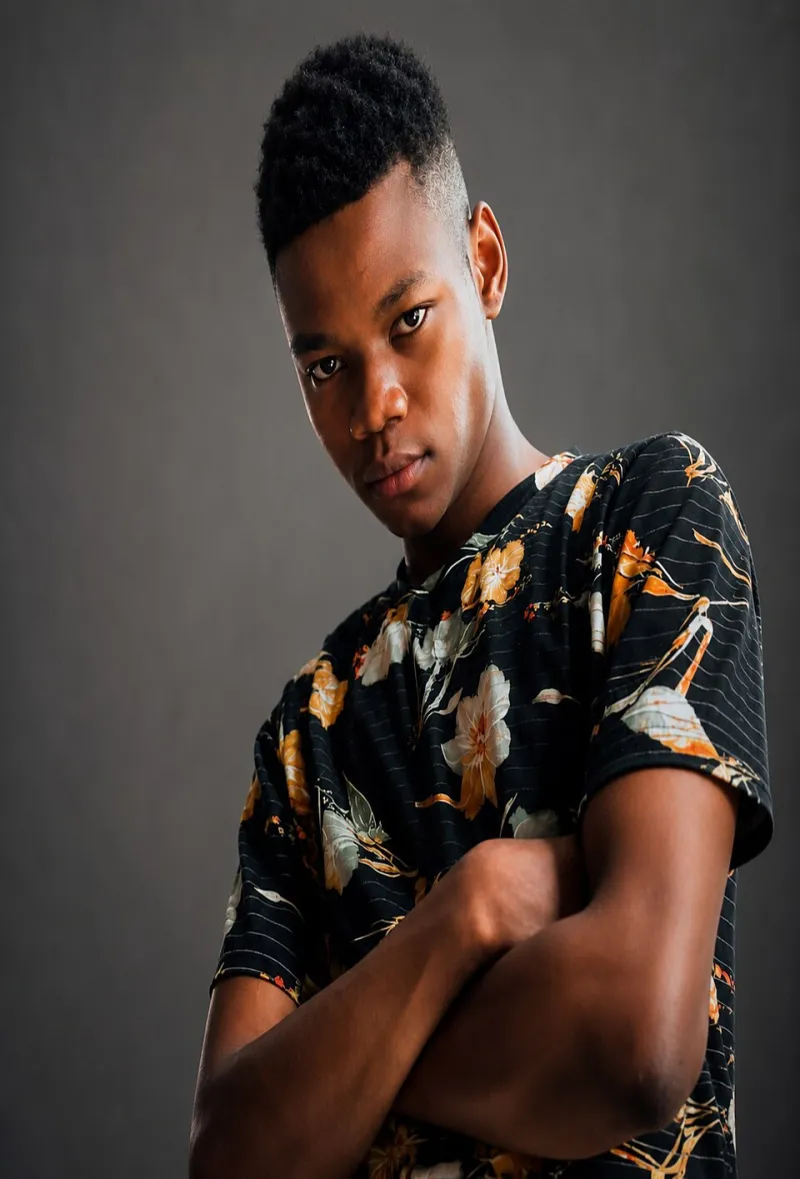
Photo: Femskid, CC BY-SA 4.0, via Wikimedia Commons
There was a time when making it in entertainment meant one thing: getting co-signed by somebody bigger than you. A major label deal. A studio contract. A manager with industry connections who could get your demo in front of the right A&R rep. That whole system? It's not dead — but it's cracking at the foundation, and the people doing the cracking are creators who got tired of waiting.
Welcome to the era of the turned-out creator. These are artists who looked at the traditional entertainment pipeline, clocked exactly how much of their creative output and revenue it was designed to extract, and said: hard pass.
The Old Deal Was Never That Good
Let's be honest about something the industry didn't advertise. A standard major label recording contract historically offered artists somewhere between 12 and 20 percent in royalties — after recouping recording costs, marketing budgets, and a laundry list of fees that the label controlled and the artist paid back. Translation: you could sell a million records and still technically be in debt to your label.
Filmmakers had it equally rough. Getting a feature distributed meant surrendering rights, accepting cuts, and watching your vision get watered down to appeal to whoever the studio thought their core demographic was that quarter.
The internet didn't just offer an alternative — it exposed the original deal for what it was.
Platforms Changed the Math
YouTube's Partner Program. Patreon's subscription model. TikTok's creator fund (flawed as it is). Spotify's direct upload tools. Bandcamp's artist-first revenue split. None of these platforms are perfect, but together they've fundamentally restructured who gets to earn from creative work.
Take Amara Okafor, a Chicago-based singer-songwriter who turned down a development deal from a mid-sized label in 2021. "They wanted two years of exclusivity and a cut of my merch and touring income before I'd even released anything," she says. "I ran the numbers and it just didn't make sense."
Instead, Amara built her audience on TikTok through a series of raw, unproduced vocal videos that showcased her range. Within 18 months she had 380,000 followers, a Patreon with over 1,200 paying subscribers at $8 a month, and a touring schedule she booked herself. "I clear more per month than most of my friends who signed deals," she says. "And I own everything."
Ownership is the word that comes up over and over again in conversations with independent creators. It's not just about money — it's about creative control, catalog rights, and the ability to pivot without asking permission.
The Filmmaker's Version of the Same Story
On the film and video side, the independent wave looks a little different but runs on the same fuel. Marcus Reyes, a Los Angeles-based documentary filmmaker, spent three years pitching a project about underground lowrider culture in East LA to streaming platforms. Every door he knocked on wanted him to broaden the scope, soften the politics, or attach a more "recognizable" name as a producer.
"They kept asking me to make it more universal," Marcus says. "Which is code for: make it less specific, less Black and Brown, less real."
He walked. Built a YouTube channel documenting the same culture through shorter episodes. Partnered with a regional brand for sponsorship. Applied for an arts grant through a California cultural foundation. His series now has over 2 million views across episodes and he's developing a feature-length cut on his own timeline.
"The platforms gave me distribution. The community gave me funding. I didn't need a studio to validate that this story mattered."
The Trade-Offs Are Real — Let's Not Sugarcoat It
Going independent isn't a fairy tale. The creators who thrive are the ones who go in clear-eyed about what they're signing up for.
For starters, you become your own marketing department, your own booking agent, your own accountant, and your own publicist — often simultaneously. The creative freedom is real, but so is the administrative grind. Burnout is a legitimate occupational hazard in the creator economy, and the pressure to constantly feed the algorithm can hollow out the artistic instincts that made you interesting in the first place.
There's also the income volatility problem. Patreon subscriptions fluctuate. Brand deals dry up. A platform can change its monetization policy overnight — TikTok creators learned this the hard way when the creator fund payouts turned out to be fractions of a cent per view. Building multiple revenue streams isn't just smart strategy; it's survival.
And access to resources still matters. A major label can put a recording artist in a world-class studio with top-tier producers. An independent artist is often working with whatever they can afford. The gap in production quality has narrowed dramatically thanks to affordable recording technology, but it hasn't disappeared entirely.
The Strategy Shift: Community Over Audience
The creators who are genuinely building sustainable independent careers share one strategic philosophy: they're building communities, not just audiences.
There's a meaningful difference. An audience watches. A community participates, advocates, and pays. Patreon, Discord servers, newsletter lists, live events — these are the infrastructure of community. They're harder to build than follower counts, but they're also far more resilient when platform algorithms change or a video underperforms.
Jazmine Flores, a Latina comedian and content creator based in Miami, puts it plainly: "My 40,000 Patreon followers are worth more to my career than my 2 million TikTok followers. The TikTok audience watches me. My Patreon people are invested in me. That's a completely different relationship."
Jazmine also does something increasingly common among savvy independent creators: she treats her content across platforms as a funnel, not an endpoint. TikTok is discovery. YouTube is depth. Patreon is revenue. Newsletter is retention. Each platform serves a specific function in a larger ecosystem she controls.
The Industry Is Watching — And Adapting
Major labels and studios haven't been sitting still. They've watched the creator economy closely, and their response has been to try to absorb what they can't beat. Artist development deals with more favorable terms, label partnerships that preserve more rights, studio-backed creator funds — these are all attempts to stay relevant in a world where the traditional gatekeeping function is less powerful than it used to be.
Whether that evolution is genuine or cosmetic depends on the deal and the artist. Some creators have found that a partnership with a larger entity, on the right terms, can amplify an already-established independent career without surrendering what matters. Others have taken the meetings, read the fine print, and walked away.
The point is that the conversation has shifted. Independent creators have enough leverage now that the industry has to come to them with something worth considering — not just the promise of visibility in exchange for control.
What Comes Next
The independent creator movement isn't a trend. It's a structural realignment of how entertainment gets made, distributed, and funded. The tools will keep improving. The platforms will keep evolving. The creators who figure out how to build real communities around authentic work will keep finding ways to make it without anyone's permission.
That's the turned-out reality of entertainment in 2025. The old hierarchy still exists. It just doesn't have the same monopoly on what's possible.
And for a lot of creators, that's more than enough.