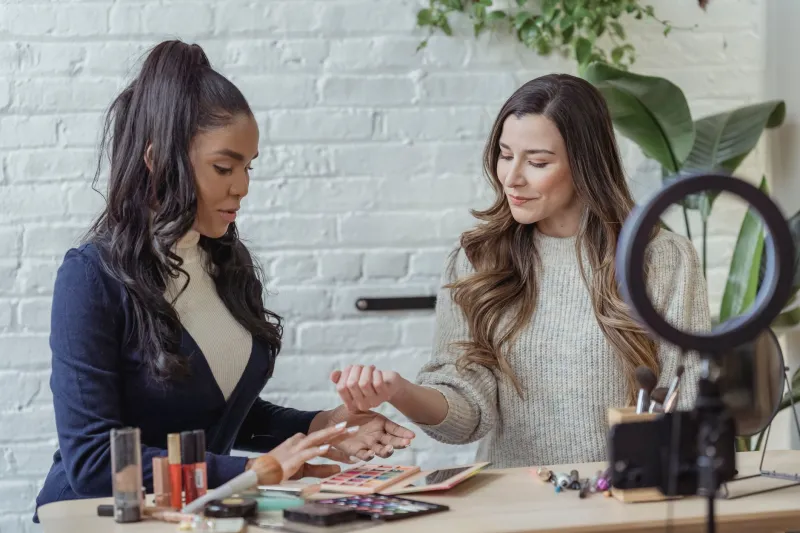
Exposure Doesn't Pay Rent: The Corporate Hustle Draining Independent Creators Dry
Somewhere right now, a brand manager at a mid-size lifestyle company is drafting an email to an indie creator. The pitch is polished. The brand sounds exciting. And right there in paragraph three, nestled between compliments about the creator's "authentic voice" and vague promises about "future partnership potential," is the line that should make every independent creator's stomach drop: We can't offer compensation at this time, but this would be incredible exposure for your platform.
Delete. Move on. Except most creators don't — and that's exactly what these brands are counting on.
The Oldest Trick in the Book
The exposure deal isn't new. It predates TikTok, YouTube, and Instagram by decades. Musicians played free shows for "industry contacts." Photographers shot weddings for portfolio credit. Designers built entire brand identities for startups in exchange for equity that never materialized. The digital creator economy didn't invent this game — it just scaled it to an almost absurd degree.
What's changed is the volume. Brands now have direct, frictionless access to thousands of independent creators through DMs, email, and talent platforms. The barrier to pitching a collaboration is essentially zero. And because the supply of creators willing to work for free — whether out of desperation, inexperience, or genuine belief in the "opportunity" — remains high, brands have very little incentive to change the math.
So they don't.
What the Numbers Actually Say
Let's talk real math, because the exposure argument falls apart the second you run it through a spreadsheet.
Say a creator with 50,000 engaged followers on Instagram gets approached by a national retail brand. The brand wants a dedicated post, two Stories, and the right to repurpose the content across their own channels. The creator spends roughly eight hours on the project — concepting, shooting, editing, captioning, posting, and engaging with comments.
At a conservative freelance rate of $50 per hour, that's $400 in labor. Industry-standard influencer rates for a creator at that follower count typically range from $500 to $2,000 per post depending on engagement and niche. The brand, meanwhile, is using that content to sell products to their audience — an audience they built using money from investors or revenue from previous sales. They have a marketing budget. They chose not to use it on you.
The "exposure" you receive? Their audience may or may not follow you back. Studies on influencer cross-promotion consistently show that follower conversion rates from brand reposts hover in the low single digits. You're not getting a career boost. You're getting a thank-you note.
Receipts From the Field
Creators across niches have been vocal about this dynamic online, and the stories follow a depressingly consistent pattern.
A food creator in Austin described spending a full weekend developing three original recipes for a kitchenware brand, only to watch the brand post her content with minimal credit and zero compensation — then ghost her follow-up emails. A fashion micro-influencer in Atlanta shared a DM thread where a brand explicitly told her that "exposure to our 2 million followers" was equivalent to a $300 payment. When she countered with her actual rate, they called her response "unprofessional."
That word — unprofessional — gets weaponized constantly in these exchanges. It's a pressure tactic designed to make creators feel like advocating for fair pay is somehow bad etiquette. It isn't. Knowing your worth and communicating it clearly is the most professional thing a creator can do.
Why Brands Keep Getting Away With It
The exposure trap works because it exploits real anxieties that independent creators carry. Early in a career, visibility genuinely matters. Breaking through in a crowded space is hard, and the idea that a brand co-sign could accelerate that process isn't entirely irrational. Brands know this. They target creators who are hungry, who are still building, who might not yet have the confidence to say no to a recognizable name.
There's also a community pressure element. When creators see peers accepting unpaid deals and posting glowing brand content, it normalizes the arrangement. Nobody wants to be the one who "can't take a joke" or "doesn't understand how the industry works." The creator economy, for all its disruption of traditional media, has inherited some of its worst labor norms almost wholesale.
And then there's the platform architecture itself. Social media algorithms reward consistent posting. Taking time to negotiate fair deals means posting less. The urgency to stay visible creates a pressure to say yes to whatever comes through the door, even when the deal is terrible.
How to Push Back Without Burning Bridges
The good news: you have more leverage than brands want you to think. Here's how to use it.
Know your number before anyone asks. Set a baseline rate for your work and don't move off it without a genuine counter-offer. Use resources like the Creator Economy Association's rate guides or platforms like FYPM (F*** You Pay Me), which crowdsources creator rate data, to anchor your pricing in reality.
Reframe the conversation. When a brand pitches exposure, respond with specifics. Ask for their average post reach, their follower engagement rate, and a written guarantee of credit. Suddenly the "exposure" becomes a quantifiable thing — and usually a much less impressive one than advertised.
Create a tiered offering. If you genuinely want to work with a brand but the budget is tight, offer a smaller deliverable for a smaller fee rather than a full collaboration for free. This keeps you in control of scope and signals that your time has value, even at an accessible entry point.
Build in public. Creators who are transparent about their rates and business practices — who talk openly about what they charge and why — help shift the entire ecosystem's norms. It's harder for brands to lowball a creator whose audience knows exactly what fair compensation looks like.
Walk away. Seriously. The brands most likely to offer exposure deals are often the least likely to turn into meaningful long-term partnerships. A brand that respects your work will find the budget. One that doesn't will move on to the next creator willing to work for free — and that's their problem, not yours.
The Bigger Picture
The exposure trap isn't just a personal finance issue for individual creators — it's a structural problem that suppresses the entire independent creator economy. When free labor becomes the baseline expectation, it devalues everyone's work. It makes it harder for creators from lower-income backgrounds to sustain careers, because they're the ones least able to absorb the cost of unpaid collaboration. It concentrates the real financial gains at the corporate level while the creative risk stays with the individual.
TurnedOut.TV exists because independent voices matter. Because unfiltered culture is worth something. And the people creating that culture — the ones building audiences from scratch, developing original ideas on their own dime, and showing up every day to make something real — deserve to get paid for it.
Exposure is a currency brands invented so they wouldn't have to spend their own. Stop accepting it.