Getting Kicked Off the Main Stage Was the Best Thing That Ever Happened to Them
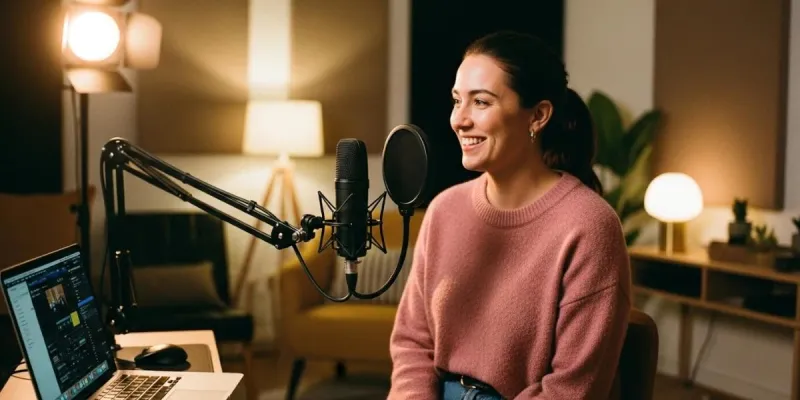
Photo: independent creator recording podcast in home studio alternative media, via cdn.sanity.io
There's a certain kind of story the internet loves: the fall from grace. Creator gets too big, says the wrong thing, gets ratio'd into oblivion, loses brand deals, disappears. Everyone moves on. End of story.
Except sometimes it isn't. Sometimes the creator who got platform-banned or shadow-buried or publicly dragged resurfaces two years later with a Substack pulling $30K a month, a podcast in the top 50, and an audience that's smaller in number but ferocious in loyalty. The mainstream didn't want them. Turns out, they didn't need it.
This is the other story — the one that doesn't get told as often because it's messier and less satisfying than a clean cancellation arc. It's the story of what happens after.
The Many Flavors of Getting Pushed Out
First, let's be real about what we mean by "canceled" or "pushed out," because those words carry a lot of freight and they don't all mean the same thing.
Some creators get deplatformed for genuinely harmful content — hate speech, harassment, deliberate misinformation — and their "comeback" is less a redemption arc than a warning sign. That's a different conversation.
But there's a wide and genuinely murky middle ground. Creators who get shadow-banned for reasons they (and their audiences) can't fully decode. Independent voices who find their reach mysteriously throttled after covering certain topics. Commentators on the left and right who've watched their engagement crater after platform policy shifts that nobody voted on. Lifestyle creators who got caught in the crossfire of advertiser-driven content moderation that prioritizes brand safety over nuance.
For those creators, the deplatforming experience — even a partial one — often becomes the catalyst for a fundamental rethink of how they operate. And a surprising number of them come out the other side in a better position than before.
The Infrastructure That Catches Them
Ten years ago, getting kicked off a major platform basically meant career death. There was nowhere else to go with comparable reach, comparable monetization tools, or comparable discoverability. Now the landscape looks completely different.
Substack has become the de facto home for writers and commentators who've outgrown or been squeezed out of traditional media and social platforms alike. Its paid newsletter model rewards depth and consistency over virality, which means creators who can hold a reader's attention for more than 45 seconds actually have a structural advantage. Some of the platform's biggest names got there precisely because they burned bridges (or had bridges burned for them) elsewhere.
Rumble, Locals, and Odysee have positioned themselves explicitly as free-speech alternatives to YouTube, and while their overall numbers don't touch Google's platform, the audience density is different. Viewers there are often more ideologically motivated to show up and pay, which translates to higher conversion rates on memberships and merch.
Podcasting — genuinely open, RSS-based, no algorithm required — remains one of the most resilient formats for creators who need to own their distribution. You can't shadow-ban a podcast feed. You can't suppress it in a For You Page. If someone subscribes, they get it. That simplicity is, in the current moment, almost radical.
And then there's the direct model: email lists, Discord servers, and personal websites that don't depend on any third-party platform to reach an audience. Boring, maybe. But unseizable.
What Loyalty Actually Looks Like
Here's the thing about audiences that follow a creator through a platform exile: they chose to. That sounds obvious, but the implications are significant.
When a creator has 2 million YouTube subscribers, a meaningful chunk of those people are there because the algorithm served them a video once and they clicked follow without much thought. The parasocial bond is light. When a creator gets deplatformed and 80,000 of those followers migrate to a paid Substack or a new podcast feed, those 80,000 people made an active decision. They searched, they clicked, they subscribed. That's a different quality of relationship.
Creators who've been through this process describe it consistently: the audience on the other side is smaller but dramatically more engaged. Open rates on emails are higher. Discord servers are more active. Merchandise sells better. The economics of a smaller, committed audience often outperform the economics of a large, passive one — especially when you're not splitting revenue with a platform taking 45% off the top.
One independent documentary filmmaker who had her YouTube channel demonetized (and later partially restored) said the experience forced her to build a direct email list she'd been putting off for years. That list now drives more revenue per subscriber than her YouTube channel ever did. She calls the demonetization "the most expensive free lesson" she ever got.
The Rebrand Is Part of the Comeback
What separates the creators who successfully rebuild from the ones who just... stew about it on Twitter is the willingness to treat the setback as a creative prompt. The ones who come back stronger tend to use the moment of exile to interrogate what they were actually doing and why.
Some go deeper into their niche, stripping away the broader appeal content they'd been making for the algorithm and doubling down on the specific, weird, specific-to-them stuff that made their earliest fans care. Others use the disruption to shift formats entirely — a YouTuber becomes a podcaster, a podcaster becomes a newsletter writer, a newsletter writer starts doing live events. The platform change forces a format change, which sometimes turns out to be exactly what the work needed.
The rebrand also gives creators permission to be more honest about who they are and what they're doing. Without a brand deal to protect or an algorithm to appease, the incentive structure changes. A lot of creators describe their post-exile work as more authentic, not less — which is ironic, given that the mainstream narrative usually frames cancellation as an ending.
The Bigger Question
None of this is an argument that getting pushed off a platform is good, or that deplatforming is always wrong, or that every exile is unjust. The specifics matter enormously and they vary wildly case by case.
What it is an argument for is this: the mainstream platforms have less total power over creator careers than they did five years ago. The infrastructure for going around them — for building something durable and direct and genuinely yours — exists and is more robust than ever. The creators who figure that out, whether by choice or by necessity, are often the ones building the most interesting things right now.
The main stage is loud and crowded and controlled by people whose primary interest is selling ads. Some of the best stuff is happening in the venues you have to look for. TurnedOut.TV has been saying that since day one. The creators who got kicked out of the mainstream are, increasingly, proving it.